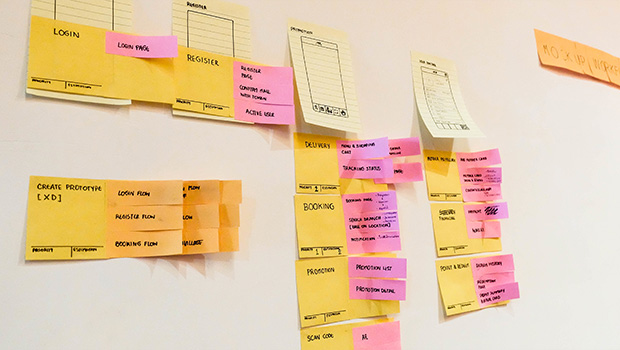
For years, cleaning teams relied on corkboards—pinned schedules, faded checklists, memos lost behind other memos. It worked. Kind of. But it wasn't scalable, wasn't flexible, and it definitely wasn't smart.
We wondered: What if every team had their own digital mural—always updated, always visual, always accessible by QR code?
That's when we started building the Digital Mural System.
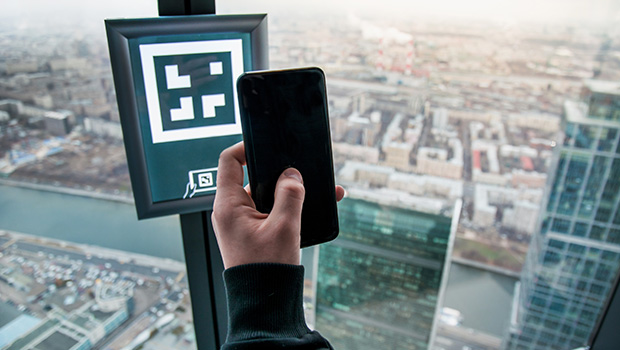
Think of it as a dynamic, mobile-first bulletin board—except every employee can access it by simply scanning a QR code. No apps to download. No passwords to remember.
Here's what made it different from the start:
We knew that no two cleaning teams are the same. So we built the mural system to be flexible from the ground up:
And everything is managed through one admin dashboard—making it easy to create, update, or retire murals as teams evolve.
Here's where it got fun.
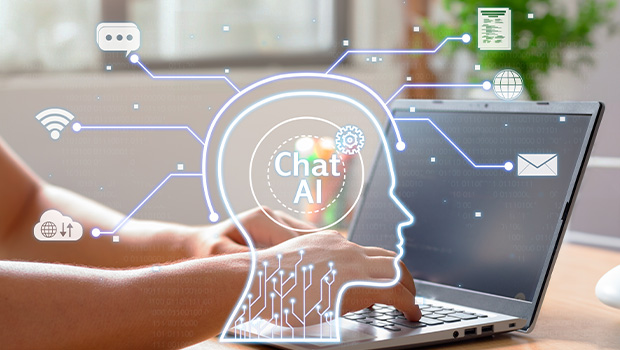
We introduced Eve, our AI-powered mascot, to live inside the murals and guide employees through tasks. Not through dense manuals—but through quick, visual, bite-sized lessons.
Eve can:
Suddenly, training wasn't just a one-time PDF. It became ongoing, contextual, and actually helpful.
One of the most requested features? Live schedules that don't require a group chat to interpret.
Now, instead of guessing who's working where, employees scan their QR code and instantly see:
And if something changes last-minute? Update it once. Everyone sees it immediately.
We also embedded a content library directly into the murals—so every team has access to:
Everything designed to be viewed on a phone screen. No squinting at PDFs. No hunting through old emails.
What started as a better bulletin board evolved into something much bigger: a digital operations layer for cleaning teams.
We realized we weren't just replacing corkboards. We were building a new way for teams to stay aligned, informed, and empowered—no matter where they were working.
The Digital Mural System proved that small innovations—QR codes, visual dashboards, AI assistants—can completely transform how frontline teams operate.
It also taught us that the best digital tools aren't always the most complex. Sometimes they're just the ones that meet people where they are—on their phones, in the field, trying to get the job done.
Next up? We're exploring how Eve can help teams troubleshoot equipment, report issues, and even predict supply needs before they run out.
Because if we've learned anything, it's this: the future of facilities isn't just smarter—it's more human.

Founder of Evergreen AI, passionate about bringing AI-powered solutions to facility management and helping frontline teams work smarter through innovative technology.